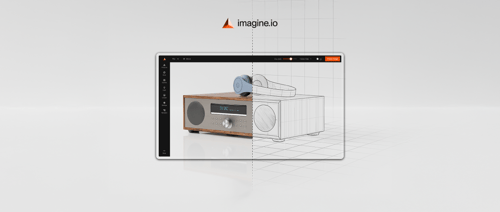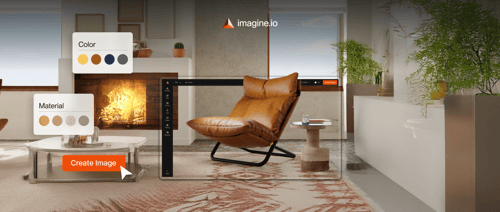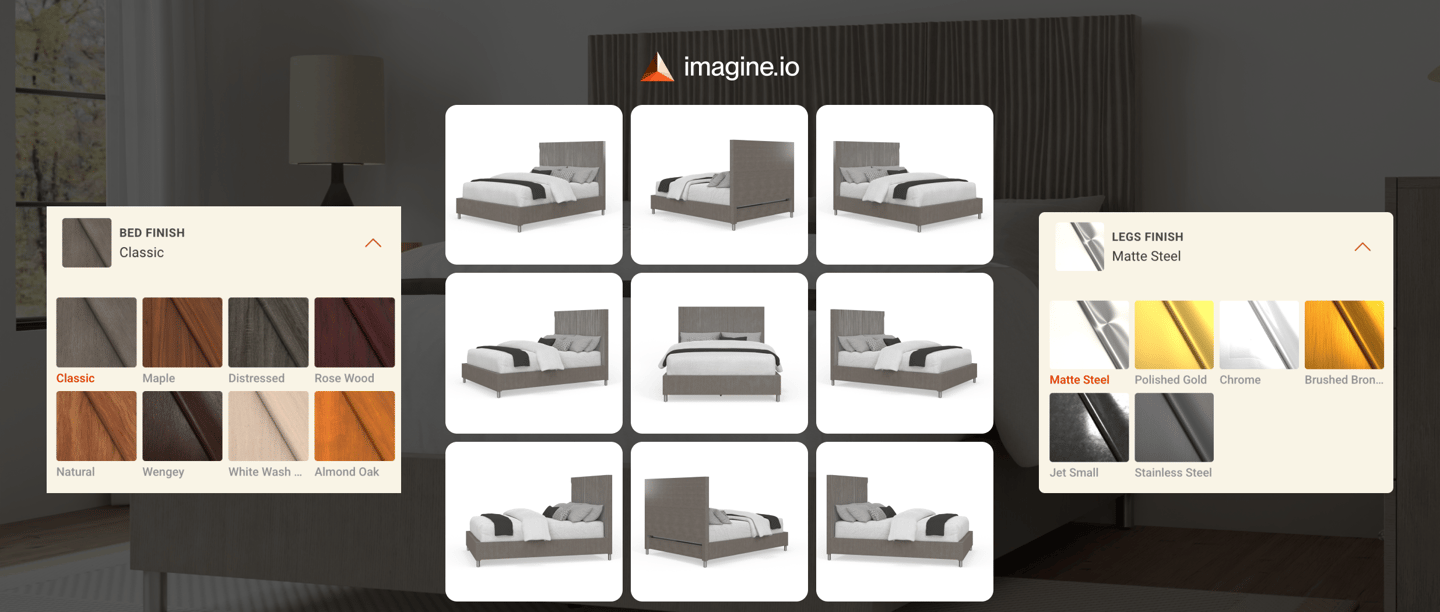

What is a 2D Product Configurator?
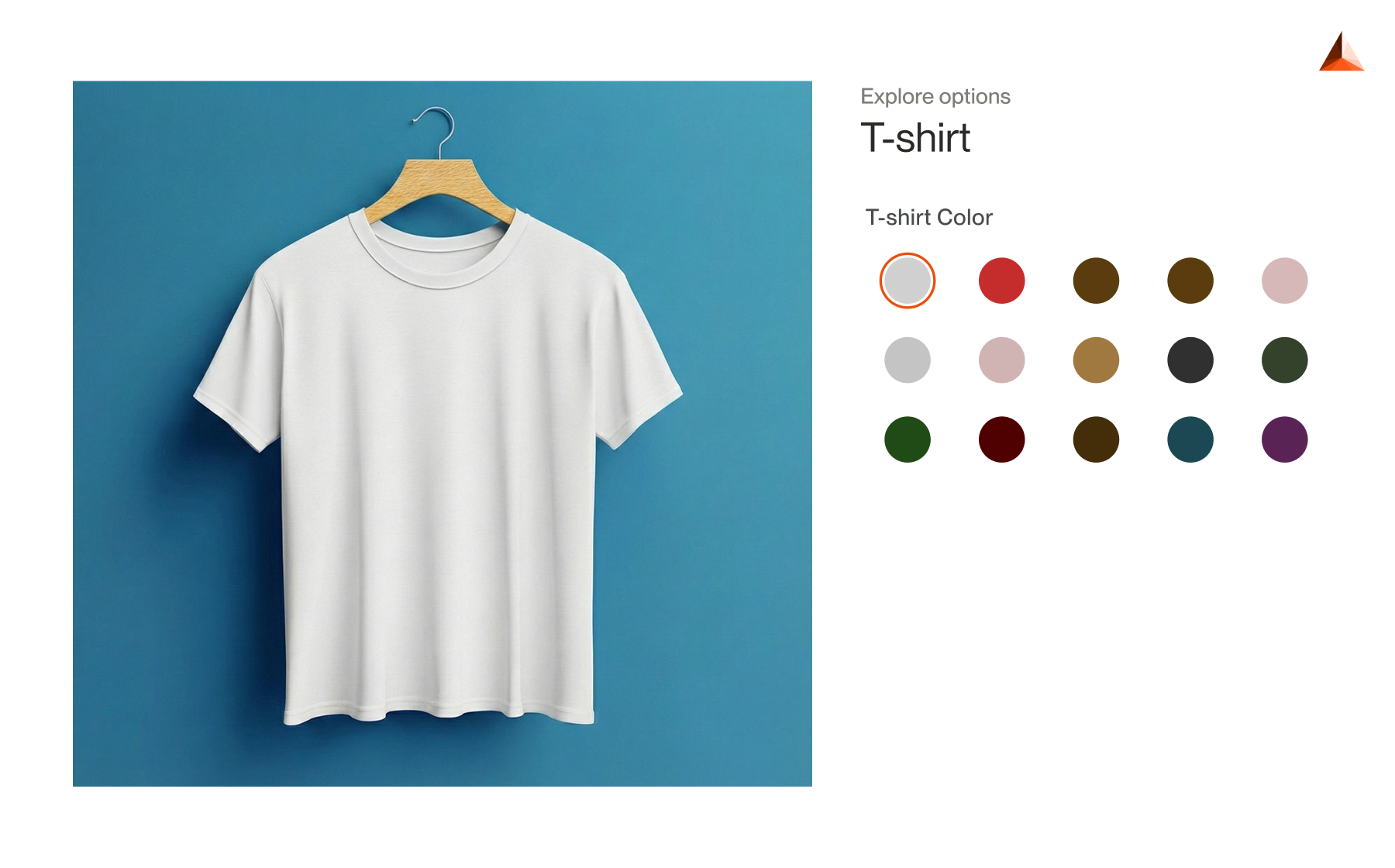
A 2D product configurator is an interactive tool that lets customers customize a product using flat, 2D images. Instead of rendering a product in real time, it displays pre-made static images, layered illustrations, or color/pattern swaps based on the user’s selections.
This makes it a simple, fast, and cost-effective way to offer basic customization without the need for full 3D visualization.
Key Advantages of 2D Product Configurators
While 3D configurators are rising in popularity, 2D systems remain highly relevant for businesses that value speed, affordability, and ease of implementation. Their lightweight structure allows brands to launch customization experiences quickly without large technical requirements, making them a practical option for companies exploring personalization without committing to full-scale 3D production.
1. Faster Load Times
Because 2D configurators rely on simple image files instead of real-time rendering, they load extremely fast across all devices, including older phones or slow networks. This speed directly reduces drop-offs and keeps shoppers engaged through the entire customization journey.
Retailers benefit from smoother experiences that feel instant, which can significantly improve conversions, especially in mobile-first markets.
2. Lower Development Cost
A 2D configurator is less expensive to build because it doesn’t require 3D modeling, animation, or performance optimization. Everything is created using pre-rendered images or vector illustrations, which take far less time and technical expertise.
This makes 2D an ideal low-cost entry point for brands wanting to offer customization while keeping development budgets and creative production timelines under control.
3. Simple to Integrate
Most e-commerce platforms, such as Shopify, WooCommerce, BigCommerce and others, can support 2D configurators with minimal setup. As e-commerce platforms run on lightweight image assets, there’s no need for complex hosting, advanced GPUs, or heavy backend infrastructure.
Businesses can deploy it quickly, often without specialized developers, making it a convenient option for companies wanting a straightforward customization feature.
4. Great for Basic Customizations
For products that only require visual surface changes—colors, patterns, artwork, logos, or text—2D configurators work perfectly. They provide a clean, simple way to show customers exactly how their design appears without unnecessary complexity.
Seeing that no depth, texture, or interaction is required, 2D delivers all the functionality needed for these straightforward customizations at a much lower cost.
Limitations of 2D Product Configurators
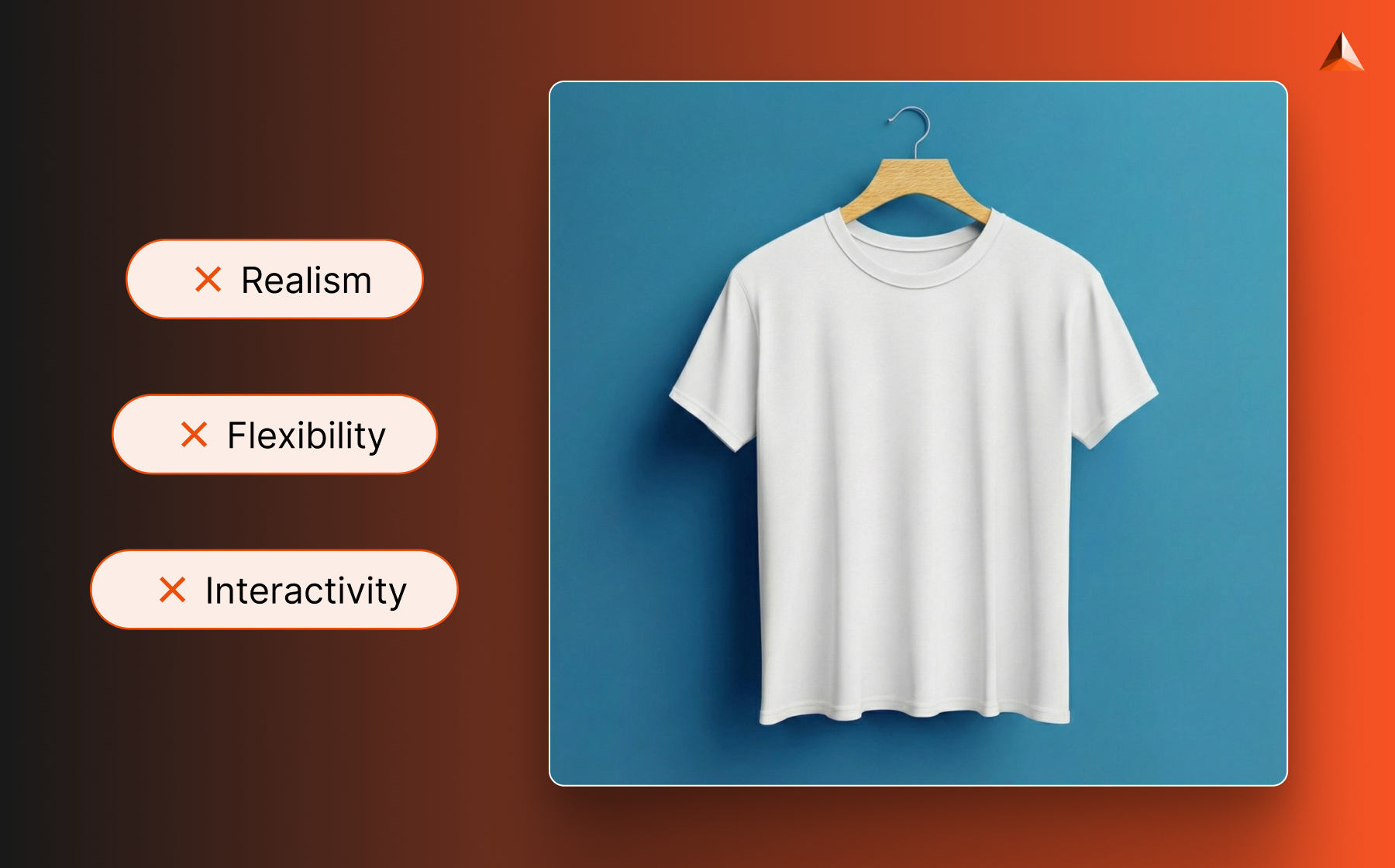
Although 2D configurators offer speed and affordability, they lack realism, flexibility, and interactivity—three major expectations in modern ecommerce.
As shoppers demand more immersive visuals, 2D can feel restrictive, especially with high-value brands or more complex products. Understanding these limitations is key to deciding when a business should transition from 2D to a more advanced 3D configuration experience.
1. No Depth or Realism
2D visuals cannot replicate the depth, material textures, shadows, or proportions that modern shoppers expect. Without these details, products often appear flat or less premium, reducing confidence in high-value items.
Customers can’t fully understand how the product will look in real life, which may lead to hesitation, uncertainty, or even increased return rates for visually misleading representations.
2. Cannot Show Product Functionality
Any feature that relies on movement or interaction—rotating parts, opening drawers, adjustable components, or internal layers—cannot be accurately displayed using 2D images.
This limitation becomes a major issue for brands requiring demonstrations. Without functional visualization, customers may miss key details, making it harder to communicate product value or justify a higher price point.
3. Limited Viewing Angles
Most 2D configurators offer only one or two viewpoints, restricting what customers can see. Adding more angles requires generating a full set of images for each variation, drastically increasing production workload.
This means customers may not get a complete understanding of the product’s appearance from all sides, potentially causing doubts or incomplete visualization during the buying process.
4. Not Scalable for Complex or Modular Products
The number of required 2D images grows exponentially for products with multiple parts, colors, finishes, or modular layouts.A product with 10 colors and 10 layout options needs 100+ images for each angle.
This makes 2D extremely inefficient for large catalogs or technical products. Managing these assets becomes time-consuming, expensive, and nearly impossible to scale long-term.
Best Use Cases for 2D Product Configurators

Even with limitations, 2D configurators are a perfect fit in scenarios where simplicity, budget, and speed matter more than realism.
Many everyday retail and promotional products don’t need multi-angle views or advanced functionality, making 2D an efficient and cost-effective solution. These use cases allow businesses to deliver personalized experiences without over-investing in 3D or complex rendering workflows.
1. Simple Retail Items (t-shirts, mugs, stationery)
Straightforward products like t-shirts, mugs, and stationery don’t need multi-angle or interactive views. Customers mainly focus on color, design placement, and text styling, all of which 2D can showcase clearly.
As the customization is surface-level and predictable, 2D provides more than enough detail to meet shopper expectations while keeping costs low and development timelines short.
2. Branding & Promotional Products
Corporate merchandise, such as pens, notebooks, bottles, and bags typically requires logo placement and basic color changes. These customizations are simple and flat, making 2D configurators the perfect tool for quick, visual previews.
Brands offering bulk promotional orders can provide fast, easy ordering experiences without complex rendering systems, helping streamline workflows for both sellers and corporate buyers.
3. Products With Few Variations
If a product has only a small set of variations—like a few colors, patterns, or styles—pre-rendering images is easy and efficient. A 2D configurator handles these limited combinations without requiring extensive assets or advanced logic.
For businesses with smaller catalogs or minimal customization options, 2D offers a clean, cost-effective solution that keeps things simple for both internal teams and customers.
What is a 3D Product Configurator?
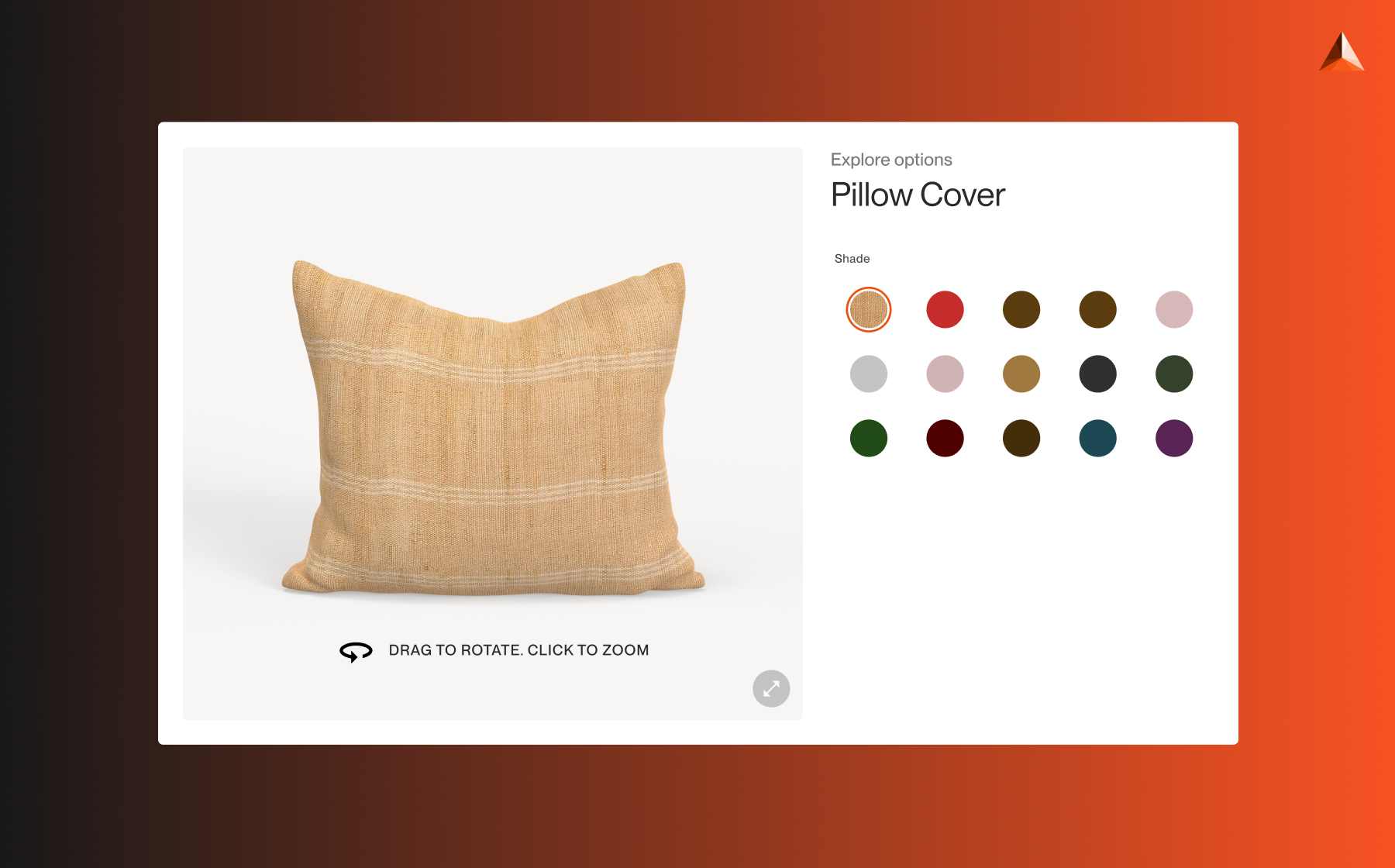
A 3D product configurator is an interactive tool that allows customers to customize, rotate, zoom, and explore products in full three-dimensional detail.
Unlike 2D configurators that rely on flat images, 3D configurators use real-time rendering or pre-rendered 3D assets to deliver photoreal visuals, lifelike textures, and accurate proportions.
This gives shoppers a far deeper understanding of the product, making customization more intuitive, immersive, and confidence-boosting.
Key Advantages of 3D Product Configurators
3D configurators deliver the level of realism and interactivity customers expect from today’s digital shopping experiences. They help brands showcase every angle, function, and variation of a product with accuracy that rivals an in-store demo.
For industries where materials, construction, and customization matter, 3D is quickly becoming the standard for driving engagement and conversions.
1. Photoreal Clarity and True-to-Life Visualization
A 3D configurator captures realistic textures, depth, shadows, and material behavior—giving buyers an almost physical sense of the product.
Customers can zoom in, rotate, and inspect details up close, leading to higher confidence in what they’re purchasing. This level of visual accuracy makes 3D especially valuable for premium or tactile products where appearance heavily influences buying decisions.
2. Supports Complex, Modular, Multi-Component Products
Unlike 2D tools, 3D configurators can handle products with multiple parts, configurations, and structural variations without creating an overwhelming number of assets.
Modular furniture, machinery, shelving systems, or mattresses with interchangeable layers can be rendered dynamically in 3D. This allows businesses to show unlimited variations without the heavy production burden associated with 2D image sets.
3. Shows Functionality (Open Doors, Exploded Views, Internal Layers)
3D configurators make it possible to demonstrate how a product works, not just how it looks. Customers can open drawers, rotate mechanisms, toggle internal layers, or view exploded product structures.
For categories like appliances, mattresses, furniture, and machinery, this functionality explains features more effectively than text or images, significantly improving product understanding and perceived value.
4. Increases Buyer Confidence and Reduces Returns
When shoppers see a realistic, multi-angle, interactive 3D model, they feel more certain about their purchase. They know exactly what the product looks like, how big it is, how it functions, and how different options affect the final outcome.
This transparency leads to fewer misunderstandings, fewer disappointments, and ultimately fewer product returns—especially for high-consideration purchases.
5. Can Be Embedded Across eCommerce, Marketing, and Sales
3D configurators aren’t limited to product pages. They can be integrated into landing pages, digital ads, AR experiences, in-store kiosks, sales presentations, and even customer support workflows.
This makes 3D a versatile asset across the entire buyer journey, ensuring consistency wherever the customer interacts with the brand, from marketing to checkout to post-purchase engagement.
Limitations of 3D Product Configurators
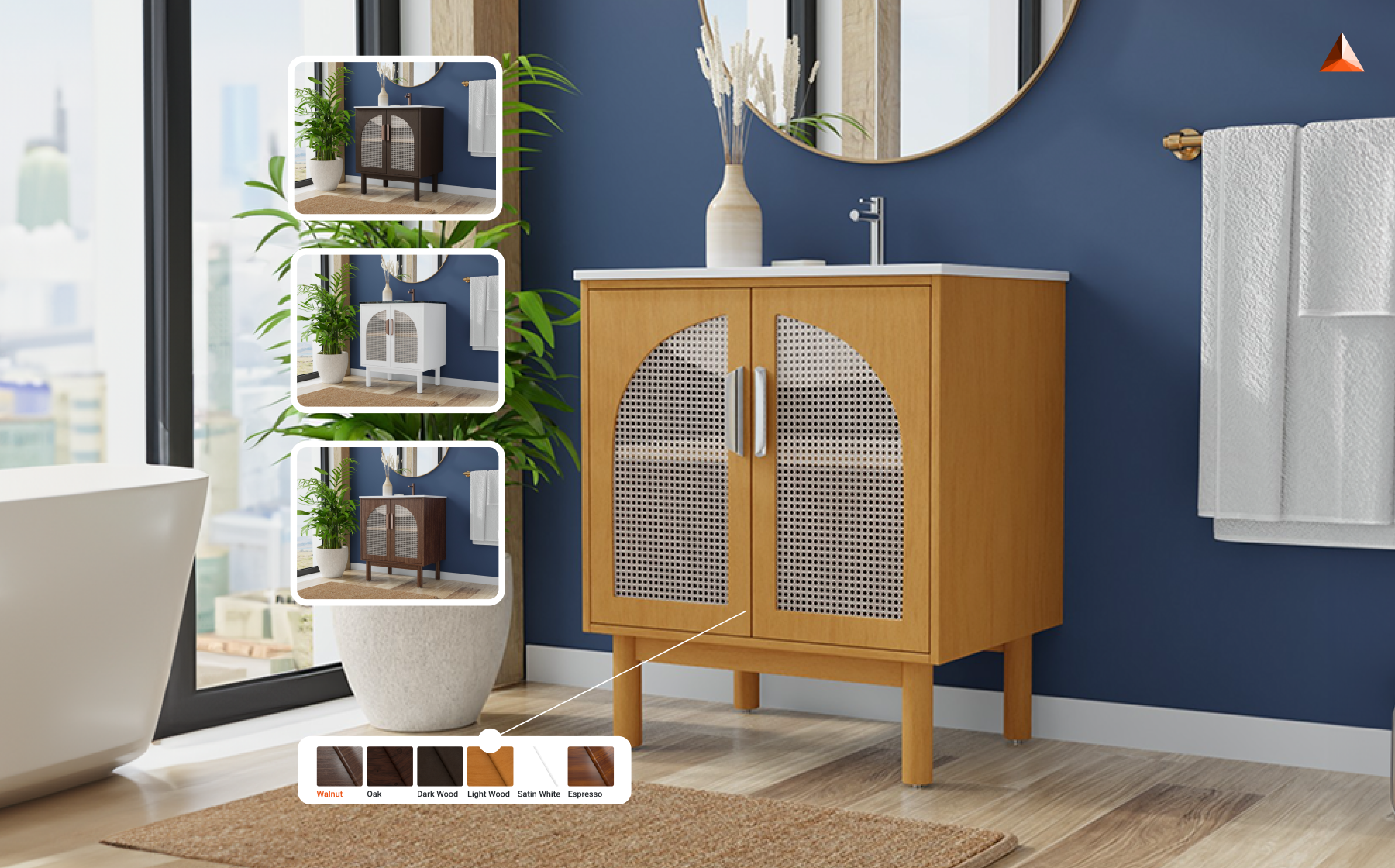
While 3D configurators deliver unmatched realism and flexibility, they require more setup, preparation, and cost than 2D systems. For simple or low-margin products, 3D may be unnecessary. Understanding these challenges helps businesses decide when the upgrade is worth the investment.
1. Higher Upfront Investment
Creating accurate 3D models, textures, materials, and animations generally requires a larger budget—especially for brands with large catalogs.
The payoff is long-term value, but the initial cost may be prohibitive for businesses selling low-priced or fast-moving items. Companies must weigh the visual benefits and conversion uplift against the upfront production and integration costs.
2. Needs 3D Model Preparation
Before a configurator can be built, products must be converted into clean, optimized 3D models. This includes modeling, UV mapping, texturing, lighting, and sometimes rigging for moving parts.
Brands without existing CAD files or 3D assets may need new models built from scratch, which adds time and specialized skill requirements to the workflow.
3. Slightly Longer Build Time Depending on Product Complexity
While 3D configurators are more scalable than 2D for complex products, the initial setup can take longer. Multi-layered items, advanced logic rules, animations, or large material libraries require extra development time.
For businesses needing fast deployment, this extended timeline should be factored into planning—although the long-term benefits typically outweigh the initial wait.
Best Use Cases for 3D Product Configurators
3D configurators shine in industries where customers need to explore details, understand functionality, or visualize multiple variations.
For high-value, customizable, or technical products, 3D dramatically improves decision-making and enhances the overall shopping experience. These categories benefit most from the realism and interactivity that only 3D can deliver.
1. Furniture, Mattresses, Lighting, Appliances
These categories rely heavily on aesthetics, material accuracy, and structural understanding. Shoppers want to see fabrics up close, visualize scale, inspect hardware, or understand internal construction—especially in mattresses and appliances.
3D configurators help recreate this showroom-like experience online, making it easier for customers to choose confidently without visiting a physical store.
2. Modular Products (Shelving, Cabinets, Machinery)
Modular systems involve many moving parts, configurations, and layouts that are nearly impossible to show using 2D imagery.
A 3D configurator can dynamically assemble components, visualize different sizes, show how pieces fit together, and simplify complex selection logic. This makes it ideal for B2B and manufacturing industries selling customizable or multi-component systems.
3. High-Consideration or Customizable Goods
Products that are expensive, personalized, or technically detailed—such as bikes, jewelry, industrial equipment, or home decor—benefit tremendously from 3D visualization.
Customers need to understand quality, materials, and variations before making a major purchase. 3D configurators reduce uncertainty and create an immersive buying experience that builds trust and accelerates conversions.
Side-by-Side Comparison Table: 2D vs 3D Product Configurators
Below is a clear, business-focused comparison to help teams quickly understand how 2D and 3D configurators differ across experience, scalability, cost, and long-term ROI.
|
Criteria |
2D Product Configurator |
3D Product Configurator |
|
Visual Accuracy |
Flat, static visuals with limited depth. Suitable for simple surface-level changes. |
Photorealistic, true-to-life visuals showing textures, materials, and accurate proportions. |
|
Interactivity |
Basic interactions such as color or pattern swaps. No rotation or zoom. |
Full interactivity—rotate, zoom, switch parts, view internal layers, animate features. |
|
Load Time |
Very fast due to lightweight image files. |
Slightly longer but optimized for real-time rendering across devices. |
|
Scalability |
Challenging for large or modular catalogs (requires many images per variation). |
Highly scalable; one 3D model can support unlimited variations and configurations. |
|
Development Cost |
Lower upfront investment—ideal for small teams or simple products. |
Higher initial cost due to 3D modeling and setup; long-term cost savings through reusability. |
|
Ability to Show Functionality |
Cannot display movement, mechanics, or internal structures. |
Easily shows clickable functionality like opening doors, exploded views, internal layers, mechanisms. |
|
Customer Experience |
Simple and fast but visually limited; good for quick personalization. |
Immersive, interactive, and engaging—mimics in-store product exploration. |
|
Conversion Impact |
Effective for low-consideration items; limited impact on high-value sales. |
Proven to increase buyer confidence, reduce returns, and boost conversions for premium products. |
|
Best Suited Product Categories |
T-shirts, mugs, stationery, branding merchandise, low-variation items. |
Furniture, mattresses, appliances, machinery, modular systems, customizable goods. |
How to Choose Between 2D and 3D Configurators
Choosing the right configurator comes down to understanding your product, your customers, and your long-term business goals. Below is a simple but effective decision framework to help you determine whether 2D or 3D is the right fit for your brand.
1. Product Complexity
Simple products → Choose 2D
If your products only require surface-level changes—like colors, text, or artwork—2D is more than enough. These products don’t rely on angles, depth, or functional demonstrations, making a lightweight 2D setup efficient, affordable, and quick to deploy.
Modular, configurable items → Choose 3D
Products with multiple parts, dynamic components, or complex variations benefit significantly from 3D. A single model can support endless configurations, visual accuracy, and interactive features that help buyers explore every detail with confidence.
2. Customer Experience Expectations
Quick, simple browsing → Choose 2D
If your audience is looking for a fast, no-friction customization experience—such as selecting a color or adding a logo—2D gets the job done. It’s ideal for low-consideration products where customers value speed over depth.
Immersive buying experience → Choose 3D
For high-value or highly customizable items, customers expect a realistic, interactive preview. 3D configurators let them rotate, zoom, swap components, or explore details in a way that feels engaging and premium, increasing trust and purchase likelihood.
3. Budget & Speed to Market
Lower budget → Choose 2D
If you're launching customization for the first time or working with a limited budget, 2D offers a cost-effective entry point. It requires fewer assets, minimal development time, and still provides a clean customization experience for simpler products.
Higher ROI expectation → Choose 3D
Brands investing in long-term digital transformation—improved conversions, reduced returns, reusable 3D assets, and future AR/VR expansion—should choose 3D. While the initial investment is higher, the payoff is significantly larger across marketing, ecommerce, and sales.
4. Internal Data Requirements
Need to show internal components? Choose 3D
If your product involves internal layers—like mattresses, appliances, furniture mechanisms, or machinery parts—3D is essential. It allows you to visualize complex structures with the accuracy that 2D simply can't support.
Need exploded views or real-time visual accuracy? Choose 3D
When your sales, engineering, or marketing teams need exploded views, interactive part breakdowns, or precise visual representation, 3D gives you complete flexibility. It delivers clarity that helps buyers understand product value instantly.
5. Sales Enablement Needs
Do your sales teams need interactive demos? → Choose 3D
Sales reps benefit immensely from interactive, 3D-powered demos—especially for technical or modular products. They can rotate, explode, and customize products live during pitches, making conversations more impactful.
Will you use assets for marketing, AR, or product imagery? → Choose 3D
If you plan to reuse assets across campaigns, catalogs, AR experiences, or website visuals, 3D provides long-term versatility. A single model can generate images, videos, lifestyle renders, and interactive experiences across your entire marketing ecosystem.
Why 3D is Taking Over: Market Trends & Customer Behavior
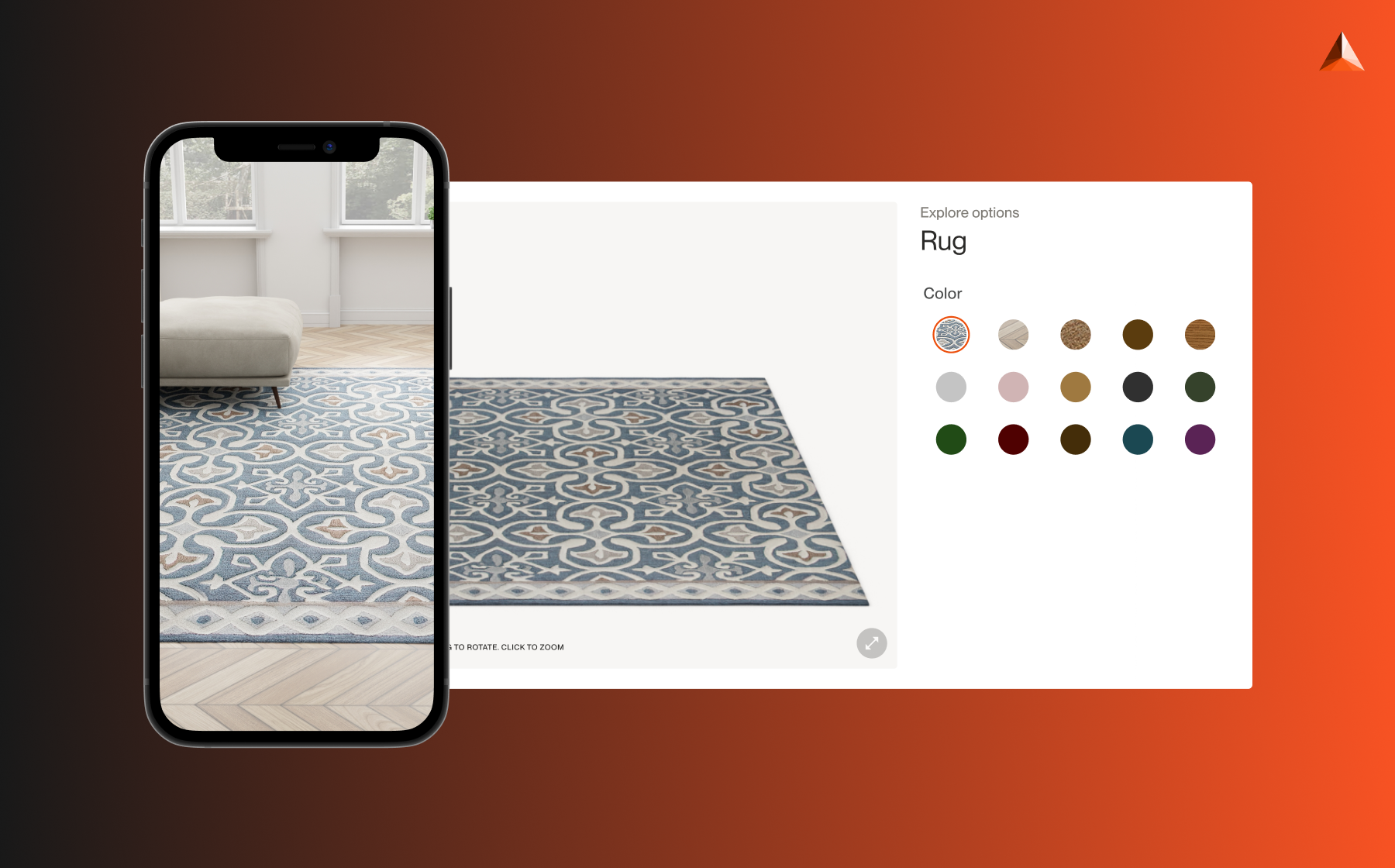
As online shopping becomes more competitive, brands are quickly realizing that static visuals are no longer enough to influence modern buyers.
Today’s shoppers want clarity, transparency, and confidence before making a purchase—and 3D delivers all three. Here’s why the shift toward real-time 3D is accelerating across industries.
1. Rising Demand for Real-Time Visualization in Online Shopping
Consumers now expect the same level of product understanding online as they do in-store. Real-time 3D visualization gives them the ability to rotate, zoom in, explore textures, and review features without relying on flat images.
Around 63% of online shoppers say a 360° view of a product is useful before purchasing. This interactive clarity reduces uncertainty and helps shoppers feel fully informed before they click “Buy.”
2. Gen Z and Millennial Preference for Interactive, Hyper-Realistic Visuals
As per a study, 77% of customers said they prefer viewing products using 3D configurators or AR when shopping online. Younger generations—now the largest online shopping demographic—value immersive digital experiences.
They grew up with gaming, AR filters, virtual environments, and hyper-realistic graphics. Naturally, they gravitate toward brands that offer a similar level of visual richness in e-commerce. A 3D configurator aligns perfectly with their expectations for engagement and personalization.
3. Proven Impact on Conversion Rates and Reduced Returns
A report on eCommerce product photography shows that 360° product images can boost conversion rates by up to 22% compared with static photos. When customers can view a product from every angle and customize it in real time, their confidence skyrockets.
More confidence leads directly to higher conversions and fewer returns. For high-consideration categories like furniture, appliances, or mattresses, 3D product visualization has become a measurable revenue driver rather than a nice-to-have feature.
4. Brands Are Replacing Photoshoots With 3D Assets
Traditional photoshoots are expensive, slow, and impossible to scale across large catalogs or ongoing product updates.
With 3D, brands can instantly generate product photos, lifestyle scenes, videos, and configurator visuals using a single digital asset—at a fraction of the cost.
This shift not only saves time and money but also gives teams greater control over creative output.
How imagine.io Helps Businesses Build Powerful 3D Product Configurators
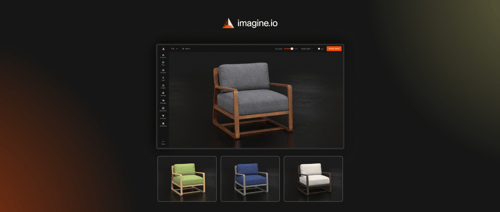
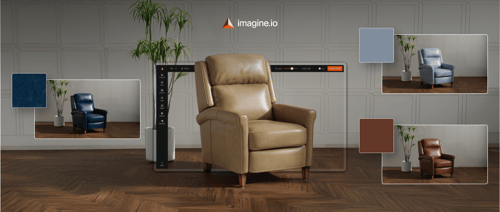
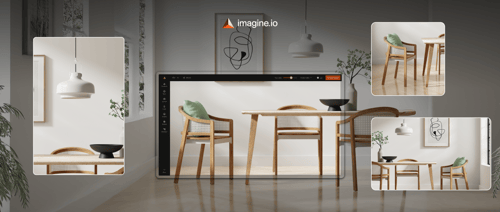
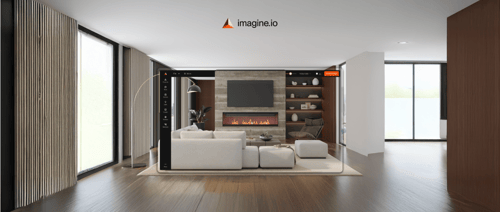
imagine.io provides an all-in-one platform for creating interactive 3D product configurators quickly and efficiently. Businesses can upload or create 3D models and turn them into configurators with 360° rotation, zoom, material swaps, exploded views, and internal/external views.
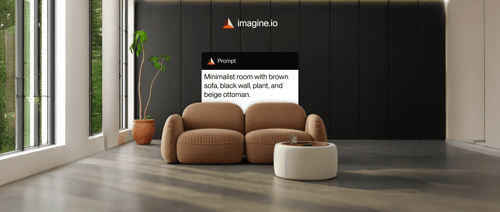
AI tools generate lifestyle renders, images, and videos from the same model, reducing production costs. Configurators integrate seamlessly with Shopify, Magento, BigCommerce, Salesforce Commerce Cloud, and marketing channels, delivering immersive, scalable experiences that boost buyer confidence and conversions.
Final Thoughts
If your products are simple, flat, and don’t require interaction, a 2D configurator is usually enough. It’s affordable, quick to launch, and works for small catalogs.
But for most modern eCommerce brands—especially those selling customizable, modular, or high-value products—a 3D configurator is the better long-term investment. It gives shoppers clarity, boosts confidence, reduces returns, and aligns with the growing demand for immersive online experiences.
In short: 2D is fine for basics. 3D is the future of product visualization. Want to see how a 3D configurator can elevate your customer experience and sales? Talk to our experts and explore what’s possible.
.gif?width=1296&height=1296&name=Untitled%20design%20(8).gif)
Book a demo with our experts




.png?width=500&name=How%20to%20Add%20a%203D%20Product%20Configurator%20to%20Your%20WordPress%20Website%20(Complete%20B2B%20Guide).png)


%20(1).png?width=500&name=Why%20Exploded%20Mattress%20Views%20Matter%20(And%20How%20to%20Generate%20Them)%20(1).png)
.png?width=500&name=Best%20Shopify%20Product%20Configurator_%20How%20to%20Choose%20the%20Right%20One%20(2).png)
.png?width=500&name=Why%20Exploded%20Mattress%20Views%20Matter%20(And%20How%20to%20Generate%20Them).png)
.png?width=500&name=Best%20Shopify%20Product%20Configurator_%20How%20to%20Choose%20the%20Right%20One%20(1).png)

.png?width=500&name=How%203D%20Rendering%20Can%20Make%20or%20Break%20Your%20Industrial%20Design%20Pitch%20(1).png)


%20with%20Digital%20Twins%20and%203D%20Visualization.png?width=500&name=Optimizing%20Your%20Digital%20Asset%20Management%20(DAM)%20with%20Digital%20Twins%20and%203D%20Visualization.png)