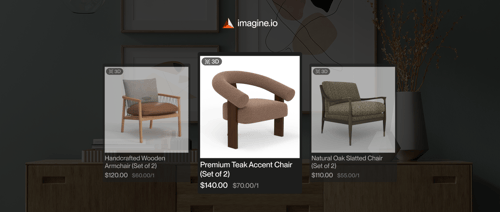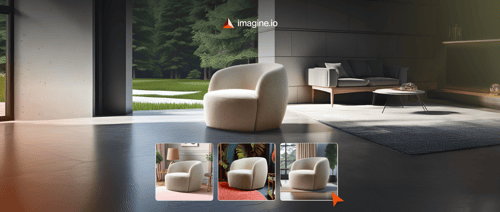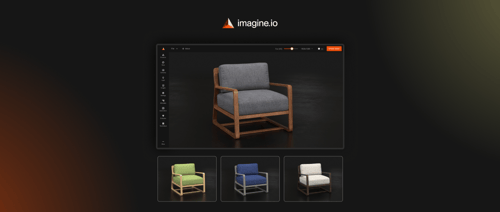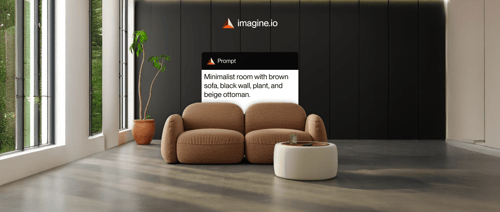
What is Product Customization?
Product customization is the process of allowing customers to modify certain aspects of a product—such as its color, design, features, or add-on components—so the final item feels unique to them rather than mass-produced.
Unlike standardized products, customization gives buyers the freedom to influence how a product looks, feels, or functions, creating a stronger sense of ownership.
For instance, a footwear brand might enable shoppers to design their own sneakers through an online platform, choosing everything from the material and laces to the color palette and logo placement.
The result is a one-of-a-kind product tailored to the buyer’s preferences—something that stands apart from traditional off-the-shelf options.
Why Product Customization Matters
Product customization matters because it deepens customer relationships and fuels business growth. As per a report, 59% of online shoppers say they’re more likely to purchase from a brand if product customization options are available.
By allowing people to co-create products, brands unlock loyalty, satisfaction, and a willingness to pay a premium—all while reducing risks and building long-term value. Let’s break down the benefits for both customers and businesses.
What Are the Benefits of Product Customization?

There are several advantages of product customization. It delivers value on both sides of the equation—businesses gain stronger margins, competitive positioning, and insights, while customers enjoy a product that feels designed just for them. Let’s break it down:
Benefits for Businesses
-
Higher Profit Margins
Customized products often carry a premium price tag because buyers perceive them as more valuable than standard items. This allows companies to increase revenue without drastically changing production volumes. Over time, this premium pricing builds a healthier bottom line and makes growth more sustainable.
-
Stronger Brand Loyalty
When customers play a role in shaping their product, it builds an emotional bond with the brand. That connection often translates into repeat purchases and long-term advocacy. As per a study, 36% of consumers actively seek out customized products or services. Loyal customers also become less price-sensitive, giving your brand a stronger competitive shield.
-
Differentiation in the Market
In competitive industries, customization makes a brand stand out from generic alternatives. It signals innovation and positions the company as customer-first. This unique positioning often leads to increased visibility and stronger brand reputation.
-
Lower Inventory Risk
Since most customized products are made-to-order, businesses avoid overproducing multiple variations. This reduces storage costs and the risk of markdowns on unsold stock. It also makes operations leaner, freeing up capital that would otherwise sit in unsold inventory.
-
Actionable Customer Insights
Every choice a customer makes—color, size, material—offers data on market preferences. These insights can shape future product design and smarter marketing strategies. Such insights give you a real-time pulse on customer behavior, which competitors without customization may lack.
-
Built-In Advocacy
Personalized products often become “share-worthy.” Customers proudly post them online or recommend them to others, giving brands free word-of-mouth promotion. This organic promotion can drive awareness at scale without significant marketing spend.
Benefits for Customers

-
Greater Satisfaction
A product designed to match their exact needs provides more value than a generic alternative. It reduces buyer’s remorse and increases confidence in their purchase. Happy customers are also more likely to return, strengthening long-term brand relationships.
-
Sense of Ownership
When customers help create a product, it feels less like a transaction and more like a collaboration. This makes the product feel more special and meaningful. That personal involvement often turns a simple purchase into a memorable experience.
-
Exclusivity and Added Value
Customized products are unique, which boosts their perceived worth. For many customers, they serve as personal statements—or thoughtful, one-of-a-kind gifts. This exclusivity adds emotional value, making the product feel rare and irreplaceable.
Types of Product Customization
The five main types of Product Customization are functional customization, component customization, aesthetic customization, personalized customization, and mass customization. Not all customization looks the same.
Businesses can implement product customization in multiple ways depending on the industry, product complexity, and customer needs. Below are the main types of product customization—with definitions and examples.
Let’s break them down with real-world examples:
1. Functional Customization
Functional customization changes how a product works or performs to fit a customer’s requirements. Instead of adjusting appearance, this focuses on usability and performance.
Examples:
-
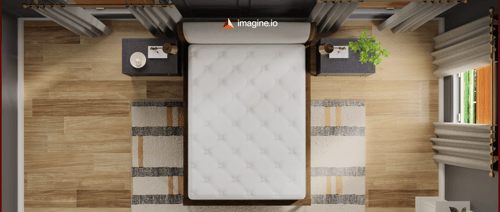
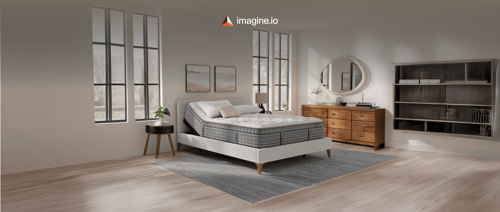
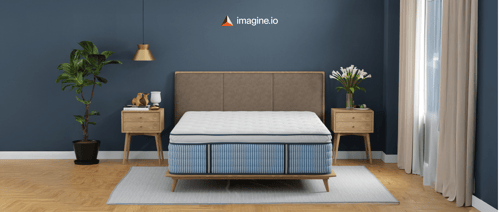
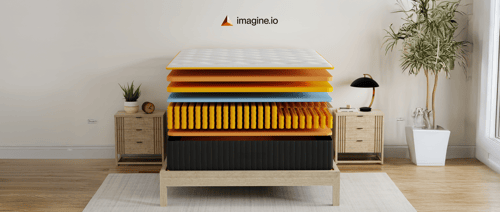
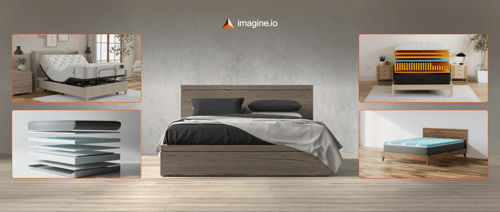
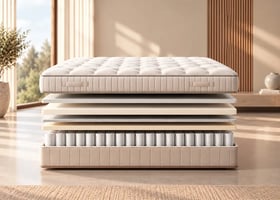
Adjusting the firmness of a mattress
-
Choosing lens type in prescription eyewear
-
Selecting performance features in a laptop (RAM, processor, battery life)
Why it matters: Customers aren’t just buying a product—they’re buying performance that matches their lifestyle. This type of customization ensures the product works exactly how they need it to.
2. Component Customization
Component customization allows customers to mix and match different parts or modules to create a product built around their needs. It’s especially valuable in industries where modularity drives flexibility.
Examples:
-
Building a custom PC with chosen CPU, GPU, and storage
-
Selecting modular furniture pieces for flexible layouts
-
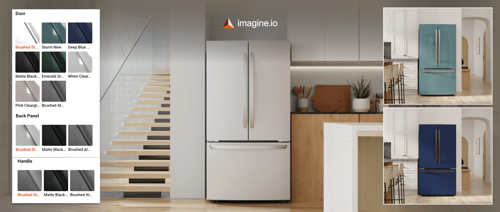
Configuring kitchen appliances with interchangeable modules
Why it matters: Instead of redesigning from scratch, businesses can offer scalable options. Customers get flexibility while companies maintain efficiency.
3. Aesthetic Customization
This type changes how a product looks—colors, textures, finishes—without altering its functionality. It’s one of the most widely used forms of customization because it directly appeals to lifestyle and brand identity.
Examples:
- Choosing car paint color and wheel finishes
- Selecting cabinet textures for kitchens
- Customizing sneakers with different materials and patterns
Why it matters: Customers often use products as an expression of identity. Aesthetic customization taps into this desire, making products feel more personal and stylish.
4. Personalized Customization
Here, the product is customized with unique, personal elements that add emotional value. This often transforms everyday items into keepsakes or gift-worthy products.
Examples:
-
Engraving names on jewelry or watches
-
Printing photos on mugs and phone cases
-
Adding monograms to bags or apparel
Why it matters: Personalization creates a strong emotional connection. Customers don’t just buy a product—they create a memory.
5. Mass Customization
Mass customization bridges personalization with efficiency. It allows businesses to offer tailored options at scale, without increasing costs or production times drastically.
Examples:
-
Nike “By You” shoe customization platform
-
Starbucks’ endless drink combinations
-
Online furniture retailers offering size, fabric, and finish choices
Why it matters: Customers feel like they’re getting something unique, but businesses still enjoy scalability and profitability. It’s the sweet spot between individuality and mass production.
Examples of Product Customization

The examples of product customization are many. It is almost everywhere, from fashion to furniture to food. Leading brands across sectors are using it to boost engagement, drive loyalty, and stand out in competitive markets. Here are a few quick examples:
- Apparel & Footwear – Brands like Nike and Adidas let customers design their own sneakers and uniforms by choosing colors, materials, and even adding personal text.
- Furniture & Home Décor – IKEA’s modular designs and Gantri’s customizable lighting allow customers to adapt products to fit their space and style.
- Electronics – Companies such as Dell offer build-to-order PCs where buyers can select components that match their performance needs.
- Food & Beverage – Coca-Cola personalized labels and Starbucks custom drink orders show how even consumables can be tailored to individual tastes.
Want more inspiration? Explore our in-depth guide on top product customization examples to see how leading brands are making it work.
4 Ways Customization of Products Can Boost Customer Satisfaction
In today’s world, customers don’t just want great products — they want products made for them. That’s where customization of products comes in. It gives shoppers a sense of control and connection, leading to happier customers and stronger brand loyalty.
1. Serve Every Customer’s Unique Needs
Every customer is different — and they expect brands to recognize that. According to research, 71% of consumers expect companies to deliver personalized interactions, and 76% get frustrated when they don’t.
With tools like product configurators, businesses can let shoppers personalize details like colors, materials, and features in real time. This level of flexibility helps brands stand out and meet the diverse demands of their audiences.
2. Build Loyalty Through Personalization
When customers help create their own products, they feel more connected to the brand. That emotional bond leads to repeat purchases and referrals.
Research indicates companies that excel at personalization generate up to 40% more revenue than their slower-growing peers. By making customization accessible through a product configurator, you can encourage customers to engage more deeply and stay loyal over time.
3. Learn More About Your Customers
Offering customization might take some extra work — from product design to production — but it gives you something incredibly valuable: insight. When customers personalize a product, every choice they make tells you what they like, what they need, and what matters most to them.
By studying these preferences, you can spot trends, discover what features are most popular, and even shape future product updates. In short, customization doesn’t just make customers happy — it helps you make smarter business decisions.
4. Increase Sales and Brand Buzz
When customers can create something that feels uniquely theirs, they naturally feel more connected to your brand. That emotional connection often turns into enthusiasm — they’re more likely to recommend your products, post about them online, or show them off to friends.
This kind of genuine excitement builds trust and attracts new customers without extra marketing spend. The more your products reflect your customers’ personalities, the stronger your brand’s reputation and sales potential become.
How Can Businesses Implement Product Customization?
For businesses, successful customization isn’t about adding endless options—it’s about creating meaningful value while maintaining operational efficiency. Here’s a practical process to follow:
-
Develop User Personas
Understand the different customer segments you serve and their specific needs. User personas help identify where customization will deliver the most value—whether its functional features for end users or reporting dashboards for decision-makers.
-
Analyze Feature Requests
Use customer feedback, support tickets, and surveys to spot recurring requests. These insights reveal simple customization opportunities that align directly with what customers already want.
-
Evaluate the Customer Journey
Look beyond the product itself and personalize every stage—from browsing to purchase to post-sales support. A consistent, tailored experience across the journey strengthens customer satisfaction and retention.
-
Introduce Simple Customization Options
Start with low-complexity changes such as custom colors, engraved text, or personalized packaging. These small steps build confidence and set the stage for broader initiatives.
-
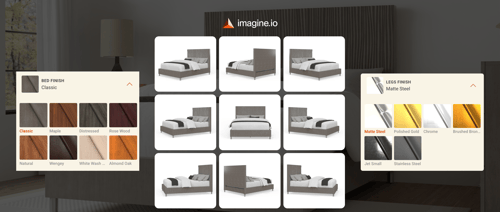
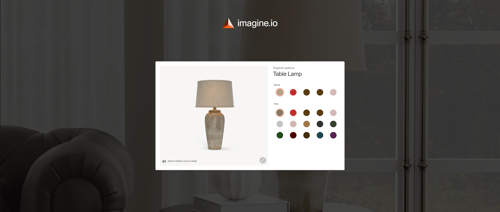
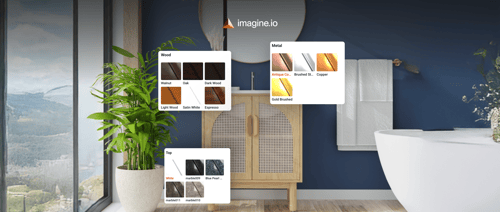
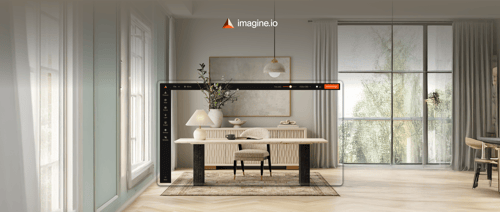
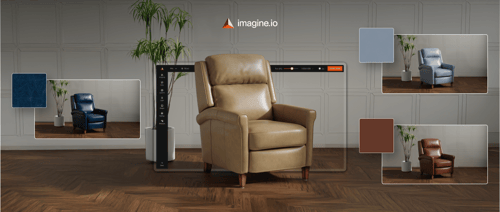
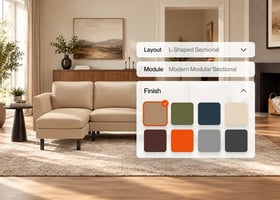
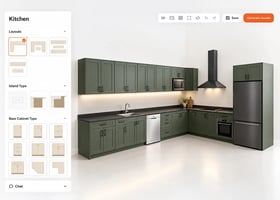
Implement Configurators and 3D Visualization
Equip buyers with interactive tools to customize products in real-time and see the results instantly. This reduces uncertainty, increases purchase confidence, and enhances the overall buying experience.
-
Adopt AI and AR Technology
Use AI to automatically generate product variations and AR to let customers preview items in their own space. Together, these technologies create immersive and highly personalized shopping experiences.
-
Design Products with Modularity
Incorporate modular components that can be mixed and matched. This allows businesses to offer variety without overcomplicating production or inflating costs.
-
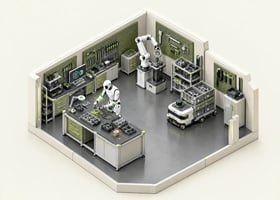
Leverage On-Demand Manufacturing
Move toward a production model where items are created only when ordered. This reduces inventory risks, minimizes waste, and ensures resources are aligned with actual demand.
The Importance of Visualizing Customized Products
Why Visualization Matters in Customization
One of the biggest reasons product customization fails is the gap between what customers imagine and what they actually receive. Many brands offer “approximations”—a simple color swatch, a dropdown menu, or a static mock-up—but that doesn’t give shoppers a true sense of their final product.
The result?
- Customers feel uncertain about their choices.
- Expectations don’t align with reality.
- Businesses face higher product return rates and reduced trust.
In fact, product returns are often linked to “product not as described,” which is a direct outcome of poor visualization.
The Solution: Exact Visualization
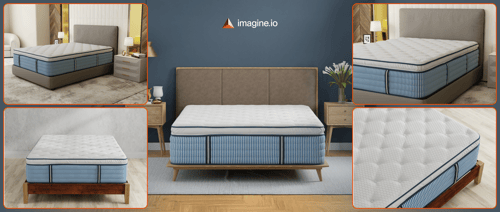
Interactive visualization bridges this gap by showing customers exactly what their customized product will look like—down to materials, finishes, and even placement in their own space.
With the right technology, brands can:
- Provide real-time 3D previews of customized products.
- Use AI to instantly generate accurate variations.
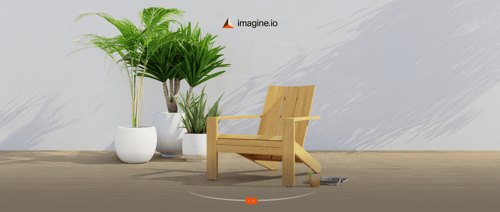
- Enable AR try-outs, letting customers see items in their own homes.
When customers can clearly visualize their choices, they buy with confidence, returns drop, and satisfaction rises. This is why visualization isn’t optional in product customization—it’s the key to turning a buyer’s imagination into a purchase they’ll love.
Challenges of Product Customization
While product customization creates significant value, it also introduces operational, financial, and customer-facing hurdles that businesses must address. Unlike mass production, tailoring products to individual preferences requires new systems, flexible processes, and strong coordination across the value chain.
Operational & Technical Challenges
-
Complex Workflows
Offering multiple variations of the same product increases operational complexity. Businesses must rethink production lines, material handling, and quality checks to handle the added variety.
-
Technology Investments
Advanced tools like product configurators, 3D visualization platforms, and design software are critical to enabling customization. However, the cost and learning curve can be challenging, especially for smaller companies.
-
Need for Agility
Customized production demands modular, flexible manufacturing setups. Achieving this level of adaptability requires time, resources, and long-term process redesign.
Cost & Time Challenges
-
Rising Production Costs
Moving away from standardized processes means higher expenses for labor, design, and specialized materials. Businesses often need to offset these costs by charging a premium.
-
Extended Lead Times
Customized products generally take longer to move from design to delivery compared to standardized goods. This can put pressure on customer expectations for fast turnaround.
-
Supply Chain Complexity
Sourcing and managing diverse materials for different custom orders can strain supply chains. Delays from third-party suppliers may also increase costs and risks.
Customer-Related Challenges
-
Managing Expectations
Customers may envision a product differently than how it turns out. Bridging the gap between virtual previews and physical reality is critical to maintaining trust.
-
Choice Overload
Too many customization options can overwhelm customers, leading to indecision and abandoned purchases. Businesses need to strike the right balance between flexibility and simplicity.
-
Complex Customer Service
Tracking personalized orders, managing post-sales queries, and handling returns become more difficult when every product is unique. This requires stronger service protocols and systems.
Quality & Consistency Challenges
-
Maintaining Standards
Ensuring consistent quality across highly varied products is a major challenge. Each order may need unique quality checks, which slows production and raises costs.
-
Supplier Reliability
When customization depends on external vendors, variations in quality or lead times can directly impact the customer experience and brand reputation.
How imagine.io Helps in Product Customization

For businesses, the biggest barrier to product customization isn’t demand—it’s execution. Traditional methods of creating variations through photoshoots, prototypes, or manual design work are costly and time-consuming. This is where imagine.io steps in to simplify and scale the process.
-
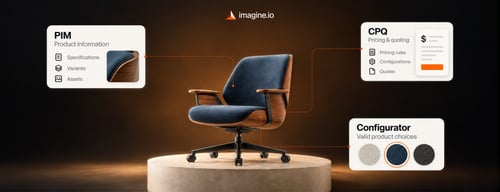
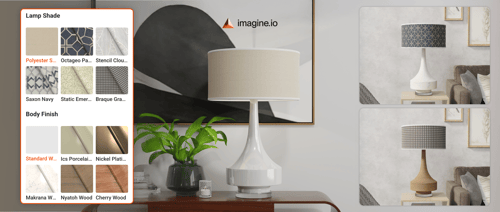
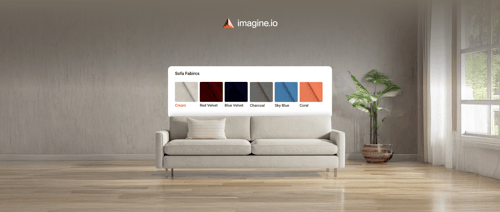
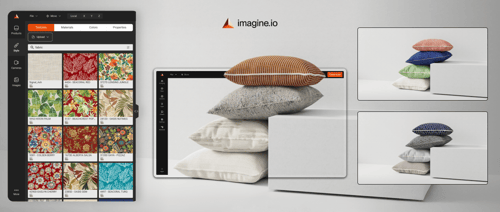
Interactive 3D Product Configurators: Allow customers to personalize products in real time—changing colors, materials, finishes, or components—while instantly visualizing the outcome.
-
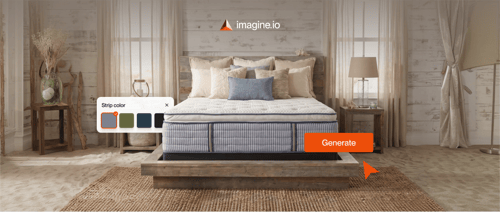
AI-Powered Visualization: Instantly generate multiple product variations without expensive photoshoots. AI enables businesses to create new textures, patterns, or design updates in seconds.
-
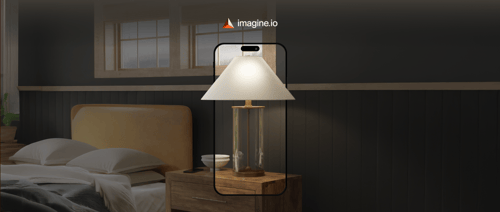
Augmented Reality (AR) Experiences: Help buyers “try before they buy” by placing customized products in their own environment through AR. This reduces uncertainty and improves purchase confidence.
-
Faster Time-to-Market: Businesses can showcase unlimited variations online without waiting for production samples. This shortens approval cycles and speeds up go-to-market timelines.
-
Scalable for Every Business Size: From startups experimenting with small-scale personalization to enterprises managing thousands of SKUs, imagine.io provides the tools to scale customization efficiently.
By combining 3D, AI, and AR, imagine.io empowers businesses to offer a seamless, visually rich customization experience—while lowering costs, reducing operational complexity, and keeping customers engaged.
How Does the Future of Product Customization Look?
The next wave of product customization is defined by hyper-personalization, where AI and data analytics work together to deliver one-of-a-kind products at scale. Technologies such as Augmented Reality (AR) are reshaping the customer journey by enabling virtual try-ons and interactive previews.
At the same time, on-demand production methods like 3D printing, coupled with sustainable and localized manufacturing, are becoming mainstream. To keep pace, businesses will need to embrace agile strategies, treating customization not as an optional feature but as a core driver of loyalty and revenue.
Key Trends Shaping the Future

-
Hyper-Personalization: Advanced AI systems will interpret individual customer data—preferences, behaviors, and purchase history—to craft products that feel tailor-made for each buyer.
-
Product Configurators: Interactive 3D product configurators will become a central tool for customization, allowing shoppers to explore different colors, materials, finishes, and configurations in real time.
By combining configurators with AI and AR, businesses can offer an immersive, guided customization journey that boosts conversion rates and reduces purchase hesitation.
-
AI and Machine Learning: From predicting consumer trends to automating design processes, AI and ML will form the backbone of intelligent customization, ensuring product offerings remain relevant and personalized.
-
Augmented Reality (AR): AR will elevate the shopping experience by letting consumers visualize and interact with customized products in real time, leading to stronger engagement and buying confidence.
-
On-Demand Manufacturing & 3D Printing: Technologies like 3D printing will make it possible to produce unique items quickly and cost-effectively, bridging the gap between mass production and one-off personalization.
-
Localized & Sustainable Production: A move toward producing closer to the consumer will cut carbon emissions, reduce waste, and align with the values of eco-conscious shoppers.
Conclusion
The future of product customization is all about hyper-personalization at scale. With AI, AR, product configurators, and on-demand manufacturing driving innovation, customization is no longer a trend but a necessity.
Businesses that embrace these technologies will not only meet rising customer expectations but also gain a competitive edge through stronger loyalty, higher conversions, and sustainable growth.
The next era of eCommerce belongs to brands that treat customization as a strategic advantage, not an afterthought. Want to see how your business can unlock the power of product customization? Activate your free trial with imagine.io today.

Activate Your Free Trial