
Why Approval Cycles Become a Bottleneck
A mattress prototype is rarely reviewed by a single stakeholder.
Product managers, engineers, manufacturing teams, executives, and retail partners often need to evaluate the product before production begins.
With physical samples, approvals frequently involve:
- Shipping prototypes between locations
- Scheduling review meetings
- Sharing static images that fail to communicate construction details
- Producing additional samples after feedback
As more stakeholders become involved, decision-making slows down.
In many cases, teams spend more time coordinating approvals than evaluating the actual design.
-1.png?width=1440&name=image%20(18)-1.png)
How Digital Mattress Prototyping Changes the Process
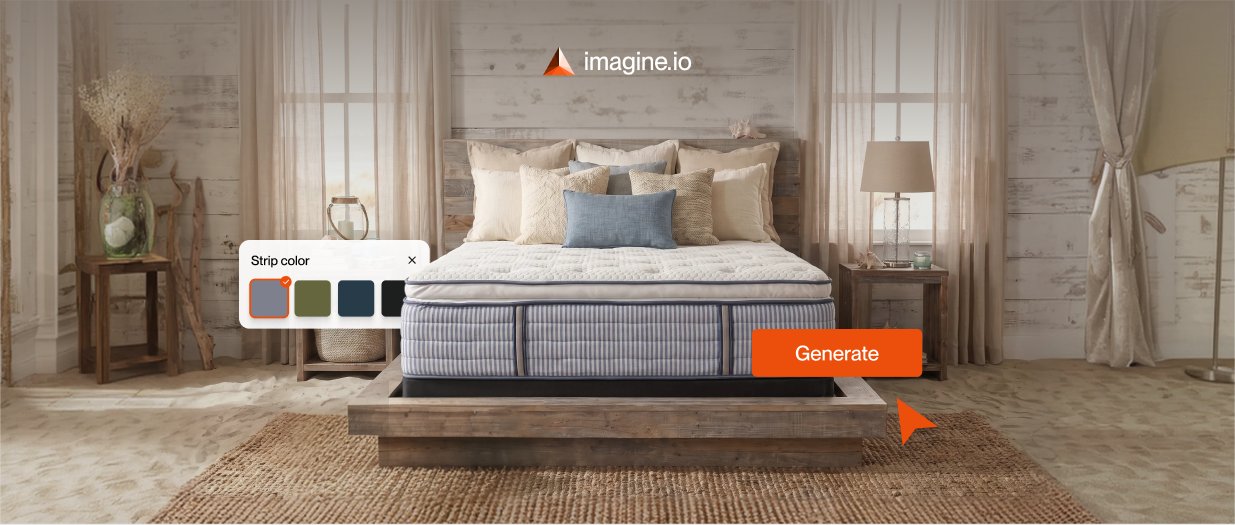
Digital mattress prototyping allows manufacturers to create highly detailed virtual representations of products before physical production begins.
Instead of producing a new sample for every revision, teams can make adjustments digitally and immediately share updated designs with stakeholders.
This dramatically reduces the number of physical samples required during development.
Digital prototyping also creates a centralized review process where everyone evaluates the same product version, improving alignment and reducing approval delays.
Layer Visualization Improves Decision-Making
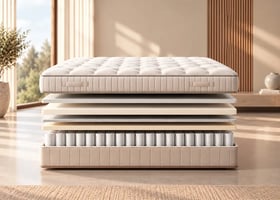
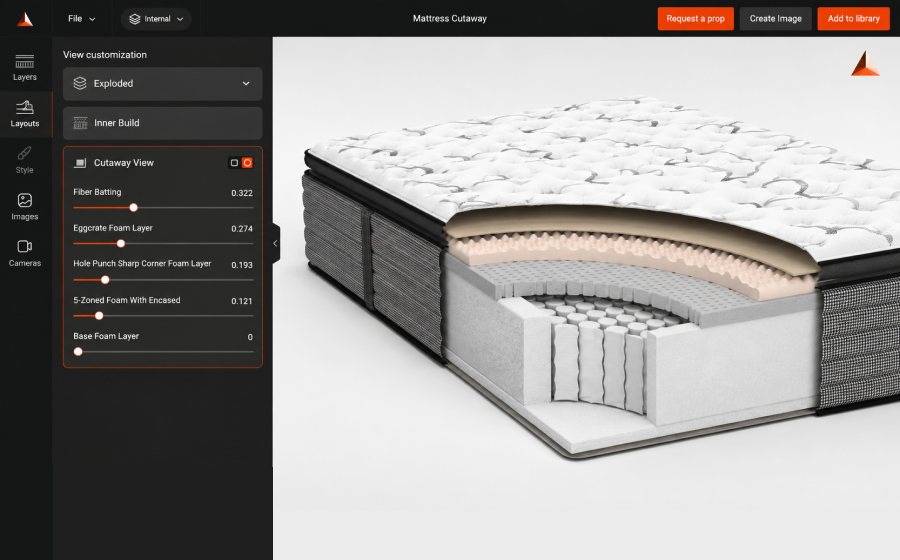
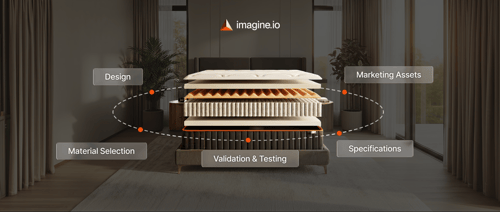
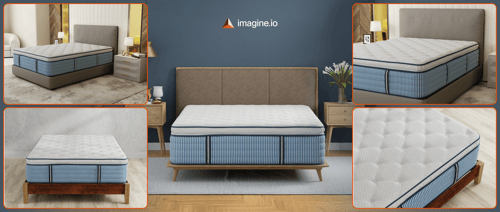
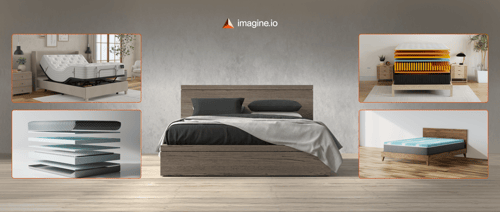
One of the most valuable capabilities in digital mattress prototyping is layer visualization.
Rather than relying on specification sheets or engineering drawings, stakeholders can see exactly how a mattress is constructed.
Teams can explore:
- Comfort layers
- Support cores
- Spring systems
- Foam configurations
- Quilting structures
- Overall mattress thickness
This level of visibility helps stakeholders understand design intent and identify issues earlier in the process.
The same principle is explored in Why Exploded Mattress Views Matter, which demonstrates how visualizing internal components improves product understanding.
When stakeholders can clearly see the construction of a mattress, approvals become faster and more accurate.
Reducing Physical Sample Rounds
Many manufacturers continue producing physical samples at every stage of development because they lack an effective way to review products before production.
Digital prototyping changes this workflow.
Instead of building multiple samples throughout development, manufacturers can:
- Create a digital mattress model.
- Configure materials and layer structures.
- Review designs with stakeholders.
- Collect and implement feedback.
- Finalize the approved configuration.
- Produce only the necessary validation sample.
This approach significantly reduces material waste, shipping costs, and development delays.
How Imagine.io Mattress Builder Supports Digital Prototyping
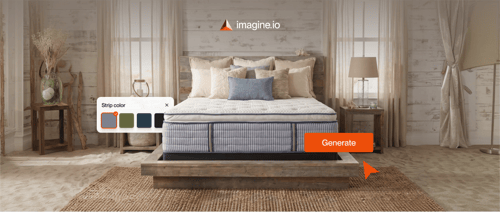
Imagine.io's Mattress Builder helps manufacturers streamline mattress prototyping through interactive digital visualization.
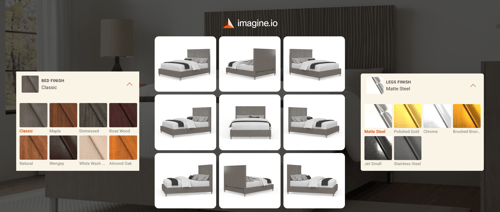
Teams can create configurable mattress models, visualize internal layers, compare design options, and share products with stakeholders throughout the approval process.
Because changes can be reviewed digitally, manufacturers can reduce dependency on physical samples while improving collaboration across departments.
The platform complements broader efforts to accelerate product development, similar to the strategies discussed in 5 Ways to Speed Up Mattress Design with imagine.io.
Organizations looking to improve stakeholder collaboration can also benefit from the approach discussed in How Mattress 3D Models Improve Retailer-Buyer Communication, where shared product visualization helps teams align more quickly around product decisions.
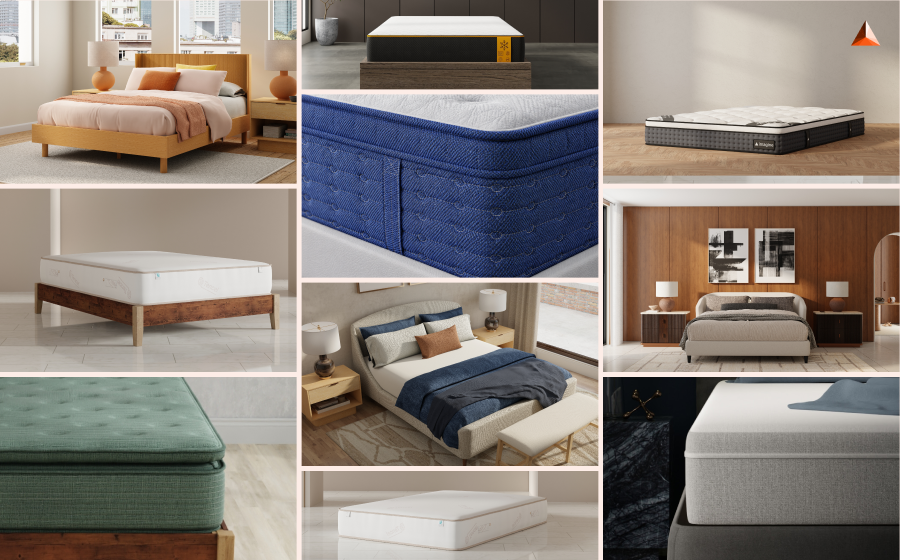
The Future of Mattress Prototyping Is Digital
Physical prototypes will always play a role in final product validation. However, they no longer need to dominate every stage of development.
Digital mattress prototyping allows manufacturers to visualize products earlier, reduce costly sample rounds, and accelerate stakeholder approvals.
By combining digital prototypes, layer visualization, and collaborative review workflows, manufacturers can dramatically shorten development timelines while improving decision-making.
For mattress brands looking to bring products to market faster, the opportunity is clear: reduce the number of physical samples, move approvals into a digital environment, and focus resources on innovation rather than iteration.
If you're exploring ways to modernize your mattress prototyping process, accelerate stakeholder approvals, and reduce costly sample rounds, a personalized demo of Imagine.io's Mattress Builder can show how digital prototyping fits into your existing product development workflow.
.gif?width=1296&height=1296&name=Untitled%20design%20(8).gif)
Activate Your Free Trial




.png?width=500&name=How%20to%20Add%20a%203D%20Product%20Configurator%20to%20Your%20WordPress%20Website%20(Complete%20B2B%20Guide).png)










%20(1).png?width=500&name=Why%20Exploded%20Mattress%20Views%20Matter%20(And%20How%20to%20Generate%20Them)%20(1).png)
.png?width=500&name=Best%20Shopify%20Product%20Configurator_%20How%20to%20Choose%20the%20Right%20One%20(2).png)
.png?width=500&name=Why%20Exploded%20Mattress%20Views%20Matter%20(And%20How%20to%20Generate%20Them).png)


.png?width=500&name=Best%20Shopify%20Product%20Configurator_%20How%20to%20Choose%20the%20Right%20One%20(1).png)


.png?width=500&name=How%203D%20Rendering%20Can%20Make%20or%20Break%20Your%20Industrial%20Design%20Pitch%20(1).png)




%20with%20Digital%20Twins%20and%203D%20Visualization.png?width=500&name=Optimizing%20Your%20Digital%20Asset%20Management%20(DAM)%20with%20Digital%20Twins%20and%203D%20Visualization.png)